


Monitoring cumulative Impact to guide mitigation and Restoration in the Mediterranean Region
The biodiversity of the Mediterranean Sea is under increasing threat from legacy and emerging contaminants, marine litter (including microplastics), noise and light pollution, invasive species and habitat destruction — all of which are driven by growing human activity and intensified by climate change. In response to this challenge, MIRAMAR is bringing together fragmented knowledge to develop an integrated, cross-border approach to managing multiple environmental stressors. The project aims to generate robust, evidence-based insights to support long-term ecological stability and shared Mediterranean priorities.
The aim of the MIRAMAR project is to develop a joint approach to improve our understanding of, and response to, the combined effects of different environmental pressures on three vital ecosystems in the Euro-Mediterranean region: seagrass meadows, wetlands and habitats of endangered species.
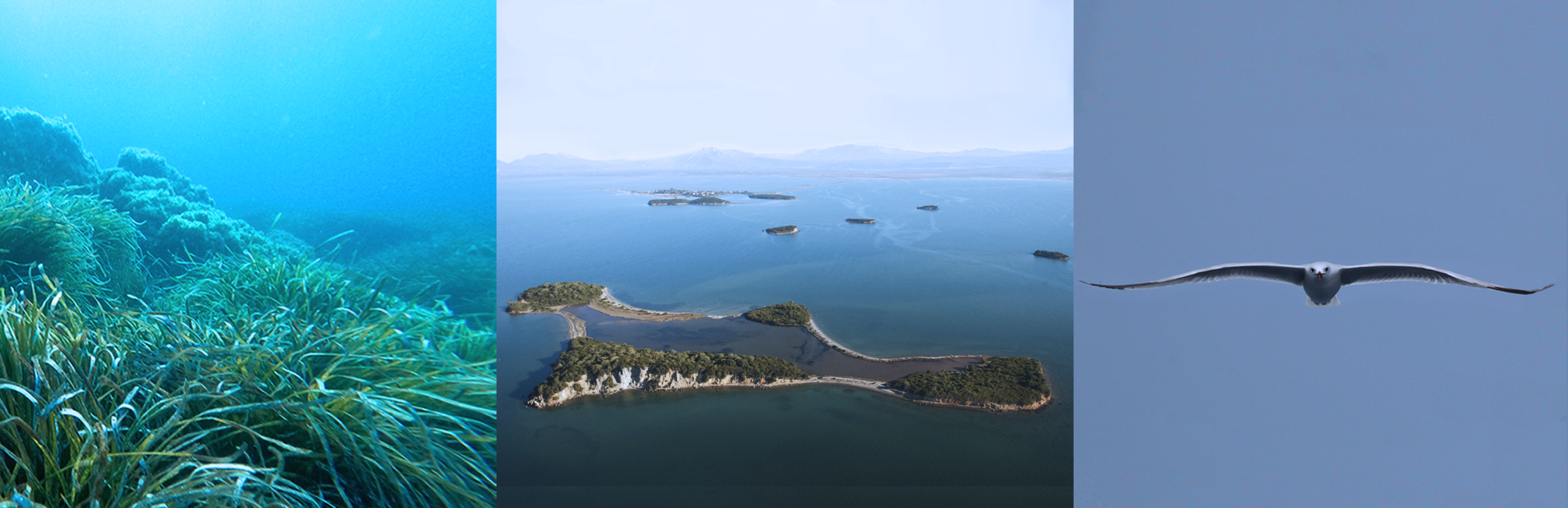
MIRAMAR will design, test, and validate a new holistic monitoring method to identify suitable nature-based mitigation and restoration solutions. By aligning with regional and national monitoring strategies, as well as the management plans of protected areas, MIRAMAR will tackle the shared challenge of preventing, mitigating and restoring environmental degradation across these vital ecosystems.
The project operates across nine pilot areas located in biodiversity-rich zones of the Mediterranean; each selected for their ecological relevance and exposure to cumulative environmental stressors. These sites represent a diversity of ecosystems, including seagrass meadows, wetlands, coastal lagoons, and marine habitats of endangered species.
Pilot areas include:
- Secche della Meloria Marine Protected Area – Tuscany, Italy (seagrass meadows and marine protected habitats)
- European Special Protection Area (SPA) – Tuscany, Italy (coastal habitats for protected bird species)
- Aeolian Islands (Vulcano, Panarea) & Capo Peloro Lagoon / Lago di Faro – Sicily, Italy (island marine habitats and coastal lagoons)
- Lavezzi Island, Bonifacio Strait Natural Reserve – Corsica, France (rocky reef ecosystems and sensitive marine zones)
- Amvrakikos Wetlands National Park – Greece (wetlands and estuarine ecosystems)
- Western Istria Coast – Croatia (coastal marine systems and nearshore biodiversity hotspots)
- Vjosa River Delta – Albania (river–marine transition zone and coastal wetlands)
- Bay of Pollença – Balearic Islands, Spain (seagrass meadows, particularly Posidonia oceanica)
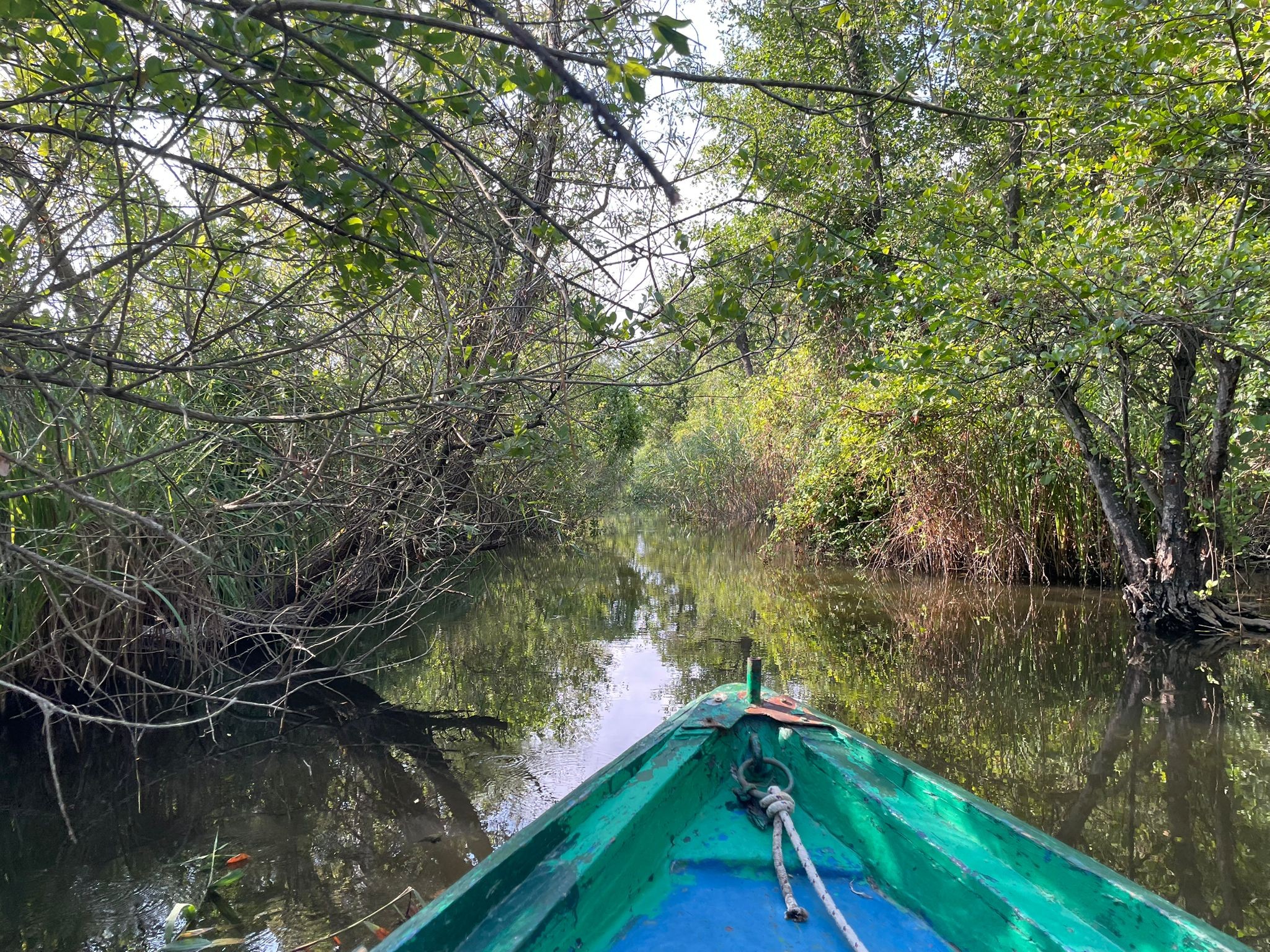
- Parco di Migliarino, San Rossore, Massaciuccoli – Tuscany, Italy (coastal lagoons and wetland

Partners
- University of Siena (UNISI) – Italy
- Mediterranean Information Office for Environment,Culture and Sustainable Development (MIO-ECSDE) – Greece
- Spanish National Research Council (IEO-CSIC) – Spain
- Hellenic Centre for Marine Research (HCMR) – Greece
- Stazione Zoologica Anton Dohrn (SZN) – Italy
- Ministry of Tourism and Environment of Albania (MTE) – Albania
- Ruđer Bošković Institute (RBI) – Croatia
- Corsican Environment Office(Office de l’Environnement de la Corse) (OEC) – France